
Representatives of Six Companies Heard at the Session of the Interim Commission Studying the Pricing Structure of Food Products, Medicines, and Fuel
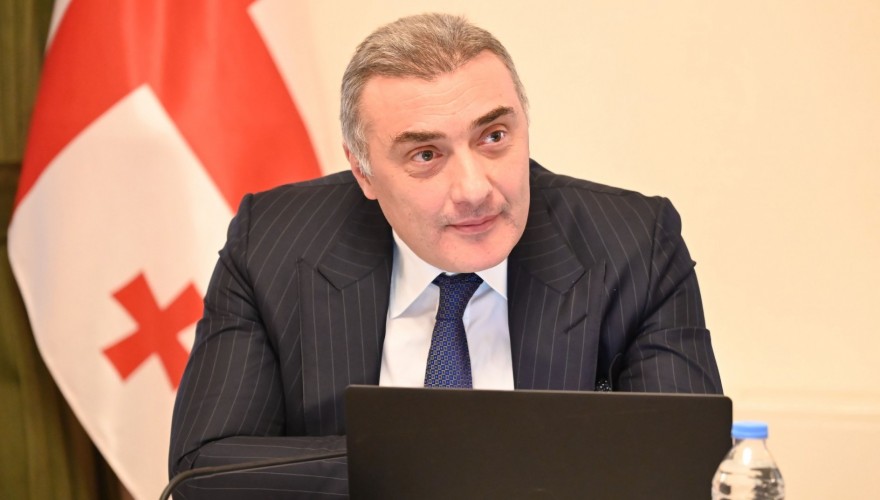
At the session of the commission of the Parliament of Georgia studying the pricing structure of food products, medicines, and fuel, commission members heard presentations from representatives of distribution and manufacturing companies regarding the structure of the food products market, the pricing chain, and operational processes within the sector.
Representatives of the following companies were invited to the meeting: Lactalis Georgia LLC, Georgian Distribution – Marketing Company LLC, Diplomat Georgia LLC, Charm Trading LLC, Mondelez Georgia LLC, and Foodservice LLC.
Company representatives spoke about various factors affecting the pricing process, including consignment periods, marketing costs, bank loans, external factors, so-called cashback mechanisms, as well as the reasons behind high profit margins.
It was noted that reducing the consignment period and the high share of logistics in operational costs would have a positive effect on lowering prices.
Attention was also drawn to the reasons behind price differences for the same products in Georgia compared with neighboring and European countries.
According to the Chair of the commission, Shota Berekashvili, the commission’s goal is to create an institutional framework where relations in the market will be transparent, predictable, and competitive.
He also noted that the meeting concluded the series of discussions with representatives of distribution companies.
“We received very important information, including details related to business processes. Several issues were identified. The first concerns payment periods, which in some cases are significantly long. Reducing them would give the sector an essential opportunity to improve its overall condition. It will also be important to enhance monitoring of product turnover and move to a digital system so that the market can better understand both the sales process and price dynamics.
During the meeting, it also became clear that the cost of capital is a major concern for large distribution companies, since deferred payments require attracting more credit or own capital to finance business operations. To address this problem, the government is working on introducing new instruments to the market that will increase liquidity.
One of them is the ‘Factoring Law,’ which has already passed its first reading in Parliament. After the law is adopted, market liquidity will increase. Under current conditions, liquidity is somewhat tight, which raises risks and is reflected in the unit price of products. I believe that increasing liquidity will yield significant results”, - Shota Berekashvili stated.
He added that there are also other barriers related to entering retail chains.
“It is necessary to simplify this process so that not only large, but also medium-sized and small distributors can compete in the market. It is also essential to ensure that new products can enter the market more efficiently and that competition improves”, - the commission chair noted.
According to Shota Berekashvili, the commission will meet with representatives of retail chains at its next session.