
Structure of Food Products, Medicines, and Fuel Pricing Discussed by the Commission
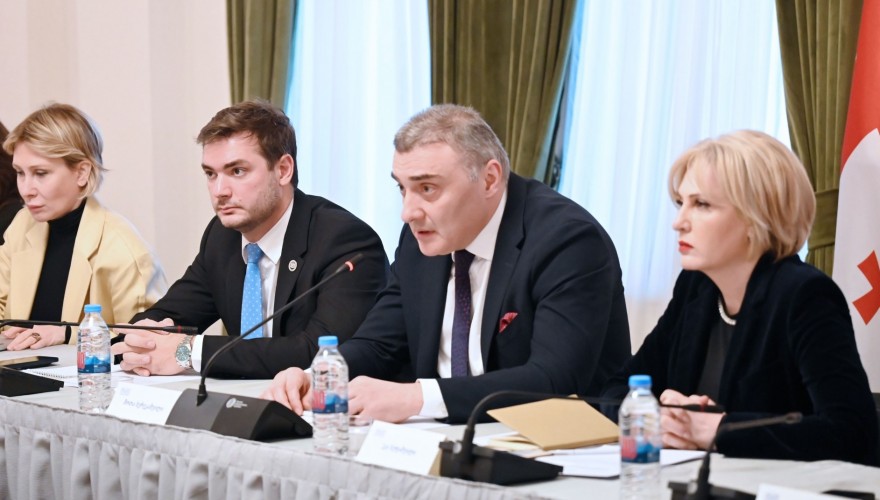
Following meetings with local producers, the commission held a session listening to representatives of distribution and import companies operating in the fast-moving consumer goods sector.
At the start of the sitting, the commission chair, Shota Berekashvili, spoke about the main issues identified during previous meetings with local producers. According to him, three main links participate in the pricing of food and essential consumer goods: local producers, distributors and importers, and organized and unorganized retail trade. At this stage, the commission began listening to representatives of the second link.
"According to studies conducted by the Ministry of Economy and Sustainable Development, the markup at the distribution stage is significantly high. We are interested in understanding which business processes and costs contribute to this result. Our goal is to identify the problems correctly. Only then can we make decisions that will help increase competitiveness and ultimately ensure that consumers receive the best product at the best price”, - said Shota Berekashvili.
Representatives from companies including Dafna, Mziuri, BD Company, Diplomat Holding, Alpha, and Gemrieli discussed the problems and challenges related to placing their products in retail networks and cooperating with chain markets. According to them, one of the main issues is the cost of sales and marketing.
Additionally, distributors and importers raised the issue of delayed payments from sold products, which in many cases are received 60–75 days later. They noted that due to these delayed payments, to prevent disruptions in their operations, they often have to take loans from banks and seek additional financial resources. Company representatives also mentioned that chain markets hold a dominant position and determine the conditions of cooperation.
The sitting was conducted in a Q&A format with the invited company representatives. At the conclusion, the commission chair summarized the discussed issues.
"Over the past three years, it has become clear that payment terms by retail networks have worsened. If three years ago, payments were made in about 45 days, today this period has increased to 60–80 days. This practice allows networks to free up additional financial resources while significantly burdening the financial condition of other participants in the pricing chain and increasing pressure on prices. Our goal is to establish an institutional framework that eliminates systemic shortcomings and ensures a healthy sector, allowing companies to operate in a transparent and competitive environment. International experience shows that in this sector, the average markup is 35–45%, which should also serve as a target benchmark for us. Therefore, the correct identification of problems is critically important, as it will give us the opportunity to implement effective tools and achieve tangible results in reducing prices”, - emphasized Shota Berekashvili.