Parliament Adopts Three Bills Amending the Law on Broadcasting
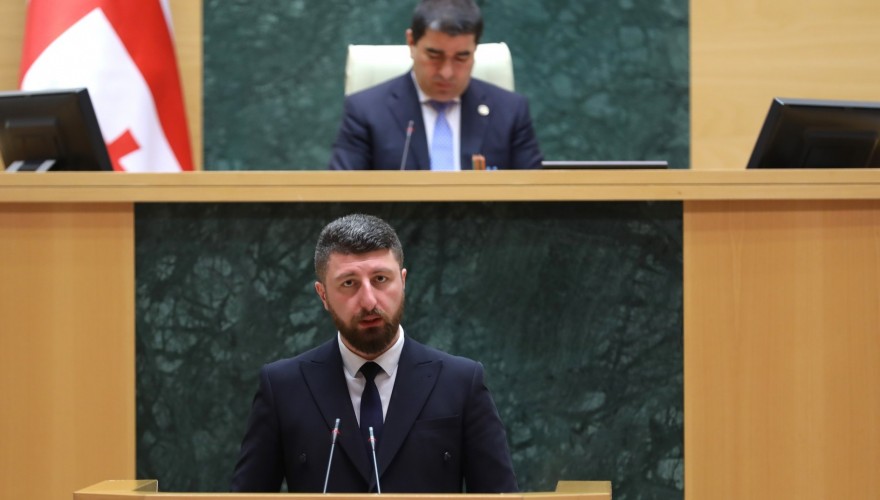
At a plenary session, the Parliament reviewed and approved, in the third reading, three legislative amendments to the Law of Georgia on Broadcasting.
The draft law presented by the Chair of the Legal Issues Committee, Archil Gorduladze, aims to establish clear regulatory standards for broadcasting. It expands the regulatory scope of the Georgian National Communications Commission as an independent regulatory authority to ensure the effective and high-quality operation of broadcasters. The initiative seeks to align legislative standards with the British model of high-quality broadcasting, enhance media pluralism, improve the quality of public information, and ensure the observance of ethical standards in broadcasting processes.
The legislative amendment submitted by the Chair of the Human Rights and Civil Integration Committee, Rati Ionatamishvili, addresses the regulation of foreign funding received by broadcasters. As the presenter noted, given that information disseminated by broadcasters enjoys a high level of public trust and can significantly influence public opinion, the adoption of this amendment will limit foreign financial influence on broadcasters, thereby reducing the potential for shaping public opinion through foreign-backed media.
According to the draft law, broadcasters will be restricted from receiving direct or indirect funding from foreign powers, with the exception of commercial advertising, teleshopping, sponsorship, and product or service placement in programmes. The bill also prohibits broadcasters from receiving any form of funding for social advertising from foreign sources.
An additional amendment to the Law on Broadcasting was introduced by the Chair of the Culture Committee, Giorgi Gabunia. Under the proposed changes, an administrative body will be authorised to carry out cultural-creative radio broadcasting. This initiative is expected to contribute to the promotion of various cultural fields and provide the broader public with educational and current information related to the cultural sector.
Parliament expressed support for all three legislative proposals.